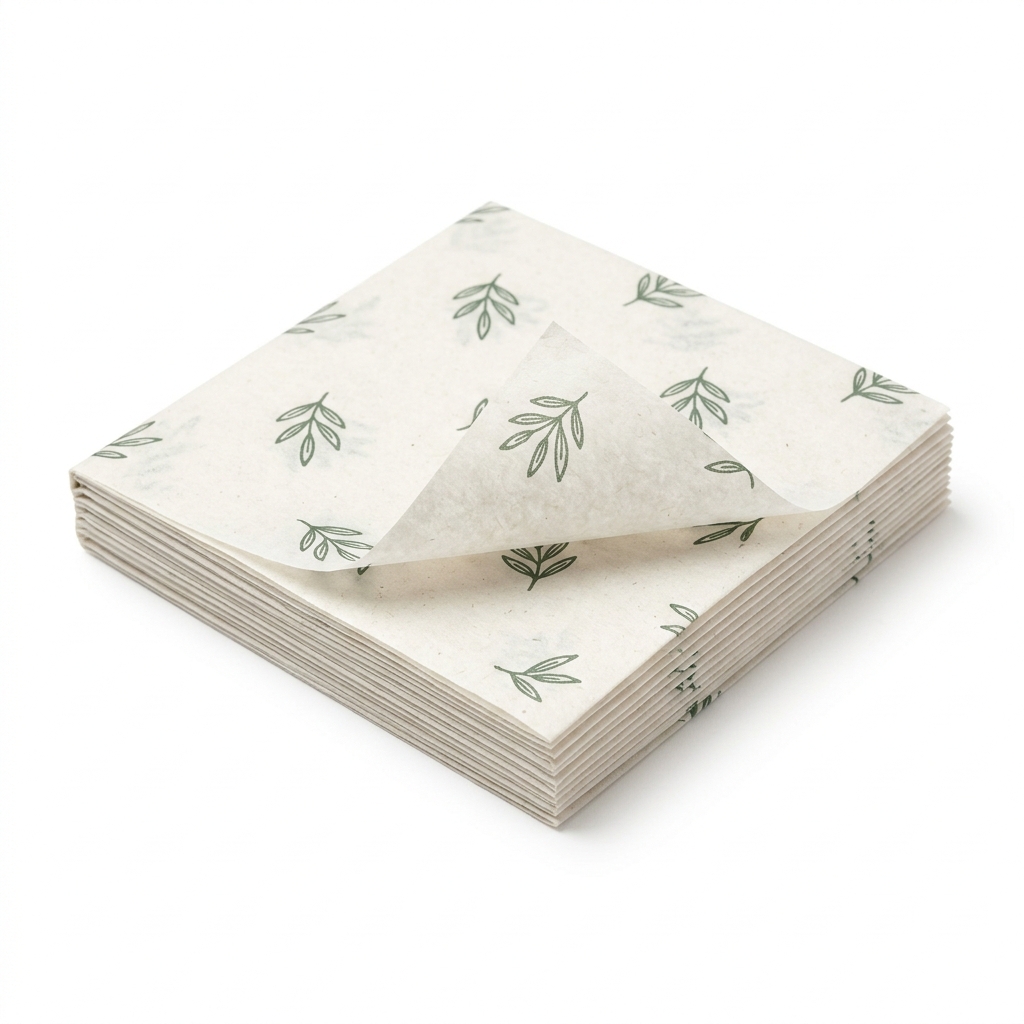
Discover the ultimate, technical-grade sourcing checklist for small businesses looking to procure custom, מוסמך FSC, soy-ink tissue paper directly from overseas factories. This comprehensive guide covers material grades, eco-compliance, international logistics, and quality assurance metrics to elevate your brand unboxing experience sustainably in 2026.
קטגוריית מוצרים
1. Understanding the Sustainable Material Foundations
To successfully navigate overseas procurement without compromising on quality or ecological integrity, small businesses must first master the technical specifications of sustainable raw materials. The foundation of high-performance wrapping tissue lies in its pulp source and chemical treatment.
FSC Certification Standards Decoded
When sourcing direct from overseas factories, simply accepting a verbal claim of “eco-friendly paper” is insufficient. Factories must provide verifiable chain-of-custody (CoC) certification matching their corporate registration. There are three primary tiers of FSC paper you will encounter:
- FSC 100%: All materials originate from forests that have been audited and certified as managed in accordance with the strict social and environmental standards of the Forest Stewardship Council. This is the gold standard for premium packaging.
- FSC Recycled: The paper is manufactured entirely from post-consumer or pre-consumer reclaimed material. While highly ecological, FSC Recycled paper typically exhibits shorter fiber lengths, resulting in a slightly lower tensile strength and a more textured, organic hand-feel.
- FSC Mix: A blended substrate containing virgin fibers from FSC-certified forests, recycled materials, and controlled wood sources. This option provides the ideal balance of structural durability, high print fidelity, and cost efficiency for lightweight tissue applications.
Acid-Free Chemical Profiling
For brands packing delicate textiles, leather goods, תַכשִׁיטִים, or archival items, specifying ללא חומצה tissue paper is mandatory. Standard wood pulp contains natural lignin, which degrades over time to release acidic compounds, causing yellowing, tarnishing, or fiber degradation in wrapped products. Overseas manufacturers must utilize an alkaline pulping process (typically using sodium hydroxide and sodium sulfide) followed by a buffering agent like calcium carbonate to maintain a neutral pH between 7.5 ו 8.5. This ensures the packaging remains inert and safe for long-term product storage.
Soy-Based Ink Formulation vs. Traditional Inks
Traditional printing utilizes petroleum-based solvents containing high levels of Volatile Organic Compounds (VOCs), which release harmful emissions during curing and long-term storage. ב 2026, global supply chains have shifted aggressively toward bio-based alternatives. Soy-based inks utilize refined soybean oil as the pigment vehicle. The technical advantages of soy ink for custom tissue printing include:
- Superior Pigment Release: Soy oil is naturally clearer and less viscous than petroleum distillates, allowing pigments to disperse more evenly. This results in incredibly vibrant, deep colors with minimal ink volume.
- Rub-Off Resistance: Soy ink penetrates agricultural fibers exceptionally well, drastically reducing color bleeding or dry-rub transfer onto wrapped garments or products during transit vibrations.
- Biodegradability and Deinking: During the recycling or composting process, soy-based inks are stripped from paper fibers far more efficiently than synthetic polymers, minimizing toxic sludge outputs at municipal recycling facilities.
2. Sourcing Custom Tissue Paper Direct: The Factory Checklist
Transitioning from local distributors to direct-to-factory overseas sourcing unlocks massive customization potential and significant cost efficiencies, but it requires a structured, technical approach to avoid common quality pitfalls. Utilize this technical roadmap when communicating with factory engineers.
שָׁלָב 1: Selecting the Grams per Square Meter (GSM)
The weight of wrapping tissue paper is measured in Grams per Square Meter (GSM). Choosing the correct GSM is a critical engineering decision that dictates both the aesthetic transparency and the physical bursting strength of the packaging. Standard tissue weights range from ultra-thin 14 GSM up to a robust 30+ GSM. For most high-end retail applications, 17 GSM to 28 GSM represents the sweet spot for achieving a soft, crinkly hand-feel while retaining sufficient tensile strength to resist tearing when stretched over box corners.
שָׁלָב 2: Choosing the Right Printing Method
Overseas factories generally offer two distinct printing technologies for tissue paper, based on volume and design complexity:
- Flexographic (Flexo) הַדפָּסָה: Utilizing flexible photopolymer plates wrapped around rotating cylinders, flexo printing is the industry standard for continuous, repeating patterns. It is highly efficient for high-speed runs and works perfectly with water-based and soy-based inks. The tooling cost (plate setup) is relatively low, making it accessible for medium-sized orders.
- Rotogravure (Gravure) הַדפָּסָה: This method uses chemically etched copper cylinders to transfer ink directly to the paper web. Gravure printing offers unparalleled precision, razor-sharp edge definition for micro-fonts, and flawless solid-color coverage. However, the initial tooling cost for cylinder engraving is high, meaning it is suited exclusively for large-volume production runs where the tooling cost can be amortized over hundreds of thousands of sheets.
שָׁלָב 3: Verification of Environmental and Social Certifications
To import custom packaging seamlessly into highly regulated regions (such as the EU under the Packaging and Packaging Waste Regulation updates of 2026, and North America under strict state-level greenwashing legislation), you must demand verified PDF copies of the factory’s certifications. Ensure these certificates are issued by accredited third-party auditing firms (such as SGS, TÜV SÜD, or Intertek):
- FSC Chain of Custody (CoC): Verifies that the wood fiber is tracked from the forest floor to the final printed sheet.
- SGS Soy Seal License: Confirms the printing inks contain the minimum required percentage of soy oil to officially carry the registered “Soy Seal” logo.
- EN 13432 / ASTM D6400: Certifies that the printed tissue paper is fully biodegradable and industrially compostable, leaving no toxic residues behind after decomposition.
- ISO 9001 & ISO 14001: Validates the factory’s internal quality management systems and environmental mitigation processes.
The following technical matrix outlines the core material, הַדפָּסָה, and sizing parameters available when customizing sustainable tissue paper direct from overseas manufacturing plants. Use these standards to define your Request for Quotation (RFQ).
| Technical Parameter | Specification Standard | Available Range / Options | Primary Industrial Application |
|---|---|---|---|
| Base Material | FSC-Certified Pure Wood Pulp | FSC 100%, FSC Mix, FSC Recycled | Global Eco-Packaging Compliance |
| Paper Weight (GSM) | ISO 536 תֶקֶן | 14 GSM, 17 GSM, 21 GSM, 28 GSM, 35 GSM | Aesthetic wrapping to heavy-duty protection |
| Chemical pH Value | Acid-Free (Buffered) | pH 7.5 – pH 8.5 (Neutralized) | Jewelry, apparel, and metal preservation |
| Ink Classification | Soy-Based Agricultural Ink | Low VOC, non-toxic organic pigments | Food-contact safe and child-safe retail |
| Printing Technology | High-Speed Flexo / Gravure | 1-Color spot to full-color CMYK alignment | Repeating logos, intricate illustration wraps |
| Tensile Strength (MD/CD) | ISO 1924-2 | ≥ 1.5 kN/m (Machine Direction) | High-speed manual packaging environments |
| Standard Sheet Sizes | Customized Sheeting | 380 x 500 mm, 500 x 700 mm, 750 x 1000 mm | Inner box lining and outer product wrapping |
| Biodegradability Standard | Compostability Certified | EN 13432 / ASTM D6400 Compliant | Zero-waste circular economy validation |
Sourcing your custom tissue paper utilizing the FSC-to-Soy-Ink pipeline direct from overseas factories provides your brand with distinct operational, aesthetic, and regulatory advantages:
- Verifiable Eco-Compliance: Safeguard your brand against strict global anti-greenwashing laws. Every batch comes backed by official FSC chain-of-custody documentation and soy formulation reports, preparing your business for future environmental audits.
- Unmatched Unboxing Aesthetics: Soy-based inks deliver richer, deeper blacks and vivid, saturated custom Pantone shades that do not look washed out or dull on thin, translucent tissue substrates.
- Zero Product Cross-Contamination: The guaranteed acid-free chemical formulation ensures that your high-end apparel, fine leather bags, or delicate jewelry will never suffer from discoloration, corrosion, or staining, even during months of container shipping over humid oceans.
- Distinctive Crinkle and Hand-Feel: Utilizing long, virgin wood fibers in our FSC-certified blends yields a crisp, high-resonance sound when handled, conveying an immediate sensory cue of luxury and high quality upon unboxing.
- Non-Toxic Odorless Experience: Unlike cheap industrial papers printed with petroleum inks that emit chemical odors when a customer opens a box, soy-ink tissue is virtually odorless, preserving the natural or infused scent of your products.
- Maximum Design Flexibility: Direct factory sourcing unlocks advanced printing capabilities, including metallics, dual-sided prints, and custom security watermarking directly onto the tissue surface.
- Cost Optimization through Direct Channels: By removing domestic brokers and logistics middlemen, you can invest directly in superior material quality, larger sheet sizes, and custom packaging shapes without compromising your bottom line.
Custom-branded sustainable tissue paper is highly versatile, serving as a premium inner protective barrier and branding vehicle across diverse industries. Implementing this sourcing strategy directly supports the following professional packaging environments:
High-End Apparel and Boutique Fashion
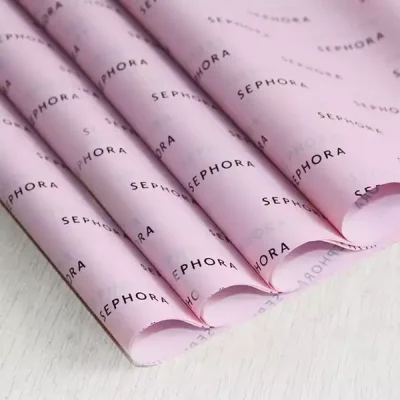
In the luxury fashion sector, garment presentation is paramount. Wrapping silk dresses, tailored suits, or fine knitwear in 17 GSM acid-free, FSC-certified tissue paper protects the delicate fabrics from friction damage and lint buildup. The custom repeating brand logo acts as a physical stamp of authenticity, assuring customers that they are receiving a premium designer item. The non-toxic soy ink prevents ink transferring onto white fabrics even under high heat and pressure inside shipping cartons.
Clean Beauty, Cosmetics, and Perfumery
The clean beauty movement requires clean packaging. Cosmetics brands utilize 21 GSM custom tissue paper to wrap glass serum bottles, perfume decants, and organic skincare sets. Because our soy inks are formulated without heavy metals or VOCs, they align perfectly with the pure, health-conscious messaging of the skincare products inside, ensuring the entire product lifecycle remains clean, non-toxic, and fully recyclable.
Artisanal Footwear and Fine Leather Goods
Leather is highly reactive to environmental chemistry. Packaging fine leather footwear, handbags, and wallets in low-acid, buffered 28 GSM tissue paper provides critical protection. It acts as an oil-absorbent barrier that prevents moisture condensation while ensuring no acidic compounds degrade the organic leather finishes. The high-GSM paper also holds its shape perfectly when crumpled, serving as an excellent internal stuffer to maintain shoe and bag geometry during transit.
Subscription Box Curations and E-commerce Gifts
Subscription and curated gift box brands use custom printed tissue paper as the primary reveal element. By sealing the tissue wrap with a branded compostable sticker, brands create a suspenseful, multi-layered unboxing experience. The distinctive, clean crinkle of the FSC-certified paper enhances the physical interaction, turning an ordinary shipping container into an immersive brand experience.
3. Quality Assurance and Logistics Direct from Overseas Factories
Direct sourcing requires rigorous quality control and careful logistical planning. To ensure the final custom product meets your brand’s standards, establish clear benchmarks at every stage of the production pipeline.
Pre-Production Sampling Protocols
Never approve a mass production run without obtaining a physical pre-production sample (PPS) printed on the exact GSM substrate specified. Digital mockups (PDFs) cannot accurately represent ink transparency or how the soy-based pigment interacts with the translucent paper fibers. Inspect the physical PPS for:
- Color Accuracy: Verify the printed ink matches your brand’s designated Pantone Solid Uncoated (U) color spectrum under normalized D65 light boxes.
- Bleed and Alignment: Check the registration of multi-colored prints. The alignment tolerance for standard high-speed flexographic presses should not exceed ±0.5 mm.
- Odor Testing: Ensure the curing process was executed completely and no residual agricultural or chemical smells remain on the paper sheet.
On-Site and Pre-Shipment Inspection (PSI)
Before releasing the final payment to your overseas manufacturing partner, commission a third-party inspection agency to perform a random sampling audit based on the internationally recognized ISO 2859-1 (AQL 2.5) standard. The inspector must perform practical tests, לְרַבּוֹת:
- Tape Snapping Test: Apply high-tack industrial tape to the printed area and pull it off rapidly. The soy ink must not lift or transfer to the tape adhesive, proving proper ink curing and substrate adhesion.
- GSM Scale Check: Weigh standardized cut sheets on high-precision analytical scales to verify the factory did not substitute a thinner, cheaper paper grade.
- Moisture Content Verification: Ensure the paper’s moisture level is between 6% ו 8% using a professional pinless moisture meter. Excessively high moisture leads to mildew during maritime transit, while overly dry paper becomes brittle and loses its tactile elasticity.
מוצרים קשורים
-
 נייר טישו לוגו מודפס
כיצד להשיג נייר טישו מותאם אישית אפס פלסטיק ששורד לחות משלוח חוצה גבולות
-
נייר טישו לוגו מודפס
התוכנית שלך לנייר טישו מותאם אישית עם לוגו ומשלוח מהיר מובטח
-
נייר טישו לוגו מודפס
נייר טישו לוגו מודפס בהתאמה אישית למיתוג אריזות והצגת מוצרים
-
נייר טישו לוגו מודפס
נייר טישו לוגו מותאם אישית עבור אריזות מותג ומתנות